Visitor Economy Strategy Advanced for Sustainable Tourism
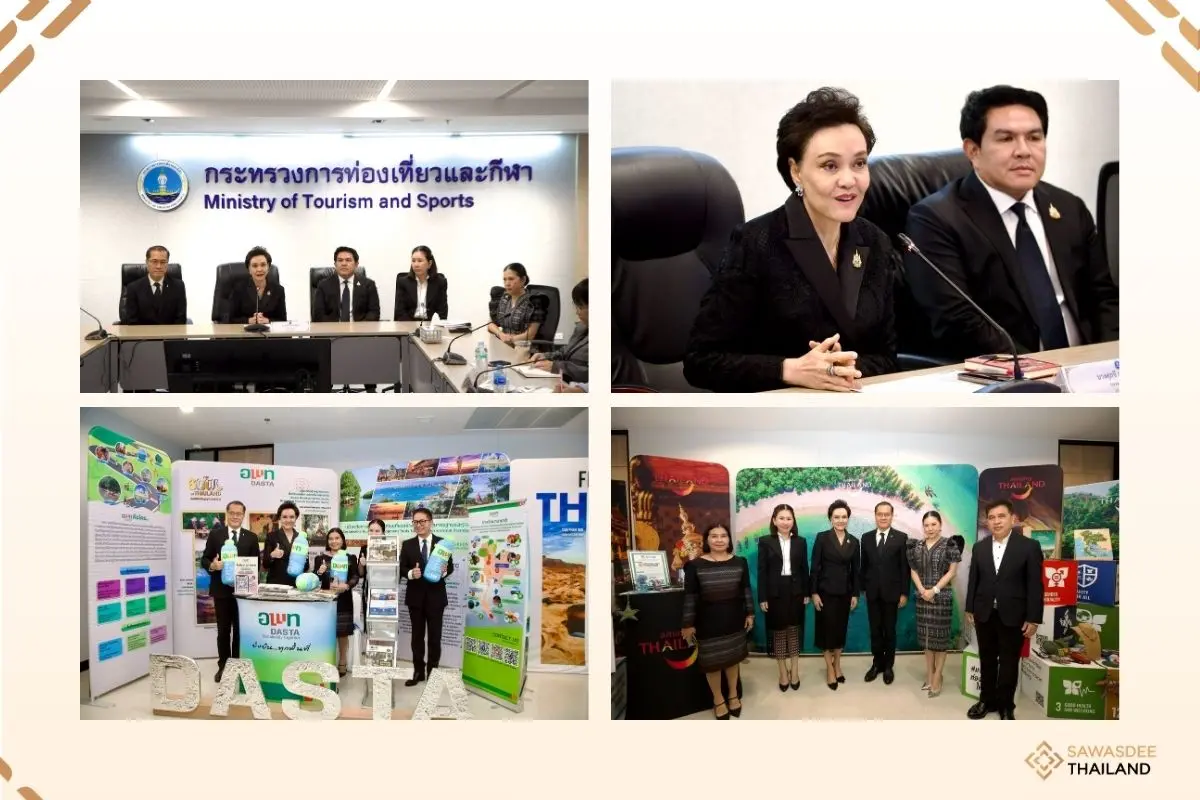
The government is advancing its “Visitor Economy” strategy that treats tourism as an economic system linked to trade, services, manufacturing, agriculture, food security, local communities, and SMEs, with greater attention to visitor spending, longer stays, repeat travel, and income reaching local economies.
Deputy Prime Minister Suphajee Suthumpun, who oversees the Ministry of Tourism and Sports, recently made her first official visit to the ministry to review operations and future tourism policy. The government plans to improve the visitor experience throughout the travel journey, with safety, convenience, service quality, and distinctive experiences among its main priorities.
Officials also reviewed government spending across agencies and discussed tourism regulations, including standards for accommodations and related businesses operating outside formal regulatory systems. The National Tourism Policy Committee considered possible approaches to collecting fees from foreign tourists, although no new fee or rate has been approved or taken effect. Public-private cooperation will also be used to address industry obstacles and adapt tourism products and services to changing demand.
Sustainable tourism planning will cover the Ko Chang archipelago, Songkhla Lake Basin, Chiang Rai, and Bang Kachao, while Sukhothai, Si Satchanalai, and Kamphaeng Phet are being developed as models for World Heritage destination management.
Source: NBTWorld