Anutin puts energy security and living costs at core of Cabinet agenda
Anutin’s Cabinet promises secure fuel supplies, living-cost relief and lower power bills through biofuels, power reform and community solar.
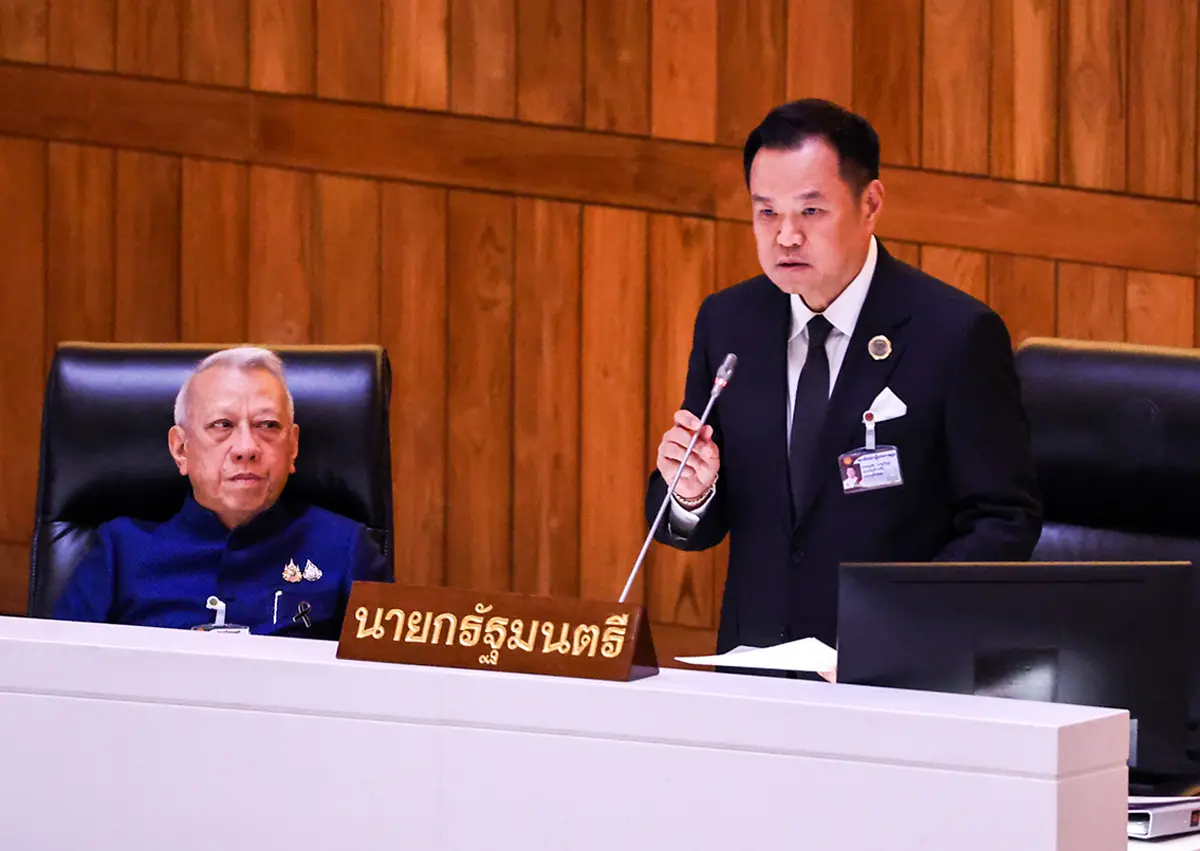
Prime Minister Anutin Charnvirakul has unveiled his Cabinet’s policy statement with a clear pledge to keep Thailand’s energy supplies secure and cushion households from rising living costs, casting the two issues as central to his government’s response to mounting global uncertainty.
Presenting his Cabinet’s policy statement to Parliament on 9-10 April 2026, Anutin promised to do “everything possible” to ensure that “Thailand is secure from within, Thai people can stand on their own feet, the economy can compete, and the world has confidence in Thailand”.
Energy security moves to the forefront
The government’s policy statement warns that the conflict in the Middle East has disrupted the production and transport of crude oil and natural gas, driving sharp volatility in fuel and energy prices and creating risks for economies and supply chains worldwide, including Thailand.
Against that backdrop, Anutin said the government has moved to ensure there is “enough fuel to meet the country’s needs”, while also managing oil and energy prices and increasing the share of biofuels to reduce dependence on imported oil.
The statement also makes clear that the government sees energy security as inseparable from the wider economy.
Authorities are managing key production inputs whose costs are tied to energy prices, including chemical fertiliser, industrial chemicals and petrochemical feedstocks, so that businesses and farmers are not left carrying heavier costs that could undermine output and competitiveness.
Cost-of-living relief at the heart of the plan
Anutin’s Cabinet is also presenting energy policy as a bread-and-butter issue. The statement promises relief for vulnerable groups hit by higher oil prices, saying the increases are affecting both “the ability to make a living” and the cost of daily life.
It also pledges measures to reduce everyday expenses, explicitly naming energy bills and clean drinking water among the burdens the government wants to ease.
That message runs through the wider policy framework. The statement says the government aims to bring “well-being to all Thai people” and stresses that “public well-being” will remain its core target, suggesting that the administration wants to frame cost relief not as a short-term handout, but as part of a broader effort to steady households through a period of external shocks.

Longer-term power reform
Beyond short-term intervention, the policy statement sets out a longer-term agenda built around cleaner and cheaper power.
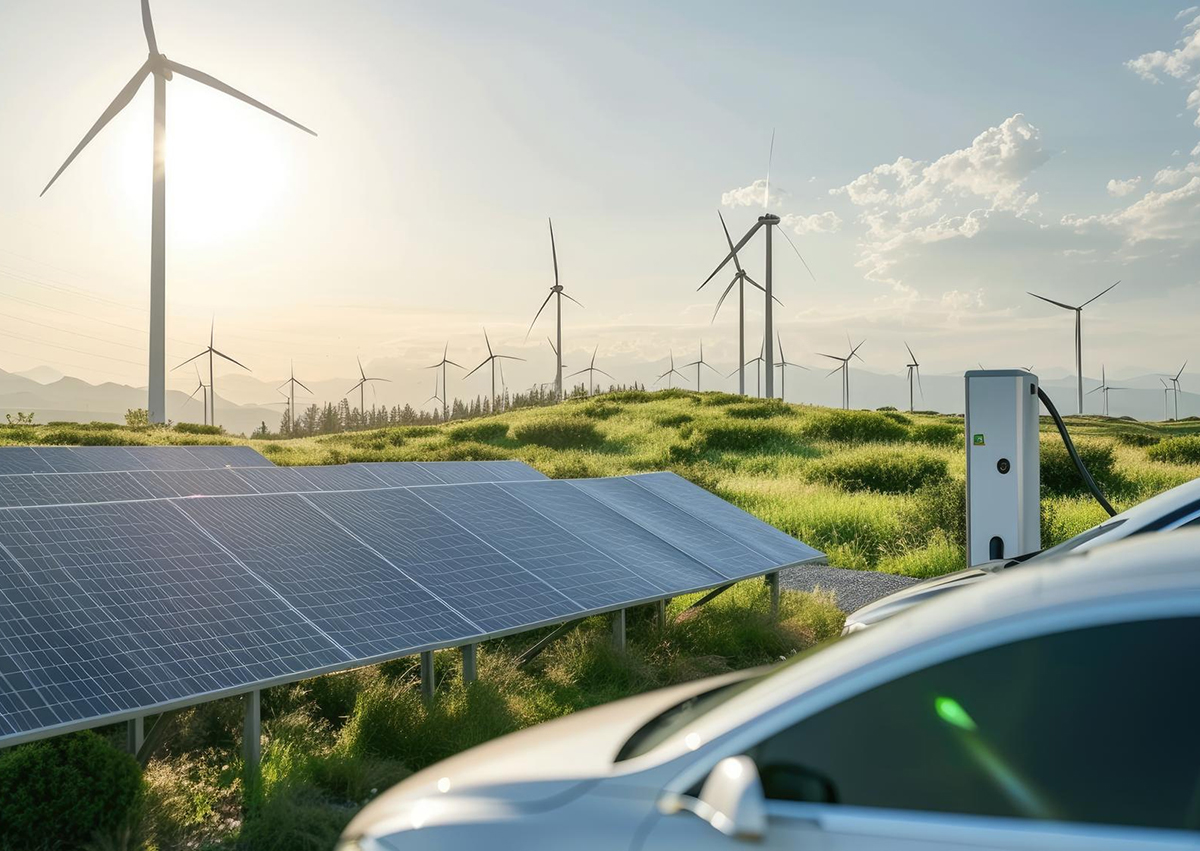
It backs direct power purchase agreements, consumer-generated electricity, smart grids and community solar farms, saying these measures are intended to “reduce the burden of electricity bills” for people and communities on a sustainable basis, while also strengthening overall energy security.
The statement adds that Thailand will pursue cleaner energy alongside broader market reform and efficiency gains in transport and industry. In effect, Anutin’s policy pitch is that a stronger energy system should not only keep fuel and power flowing, but also leave households and businesses less exposed when global turmoil pushes prices higher.

A promise to act
The closing tone of the statement is as much political as it is economic. It says the government wants to turn policy into practice under the banner of “what is said must be done”, while Anutin pledges to devote the full strength of his administration to solving people’s day-to-day economic problems.
Taken together, the message is that energy security and the cost of living are being treated as two sides of the same challenge — and as an early test of whether this Cabinet can deliver on its promise.