Chiang Rai’s Wiang Kaen pomelo registered as ninth GI product
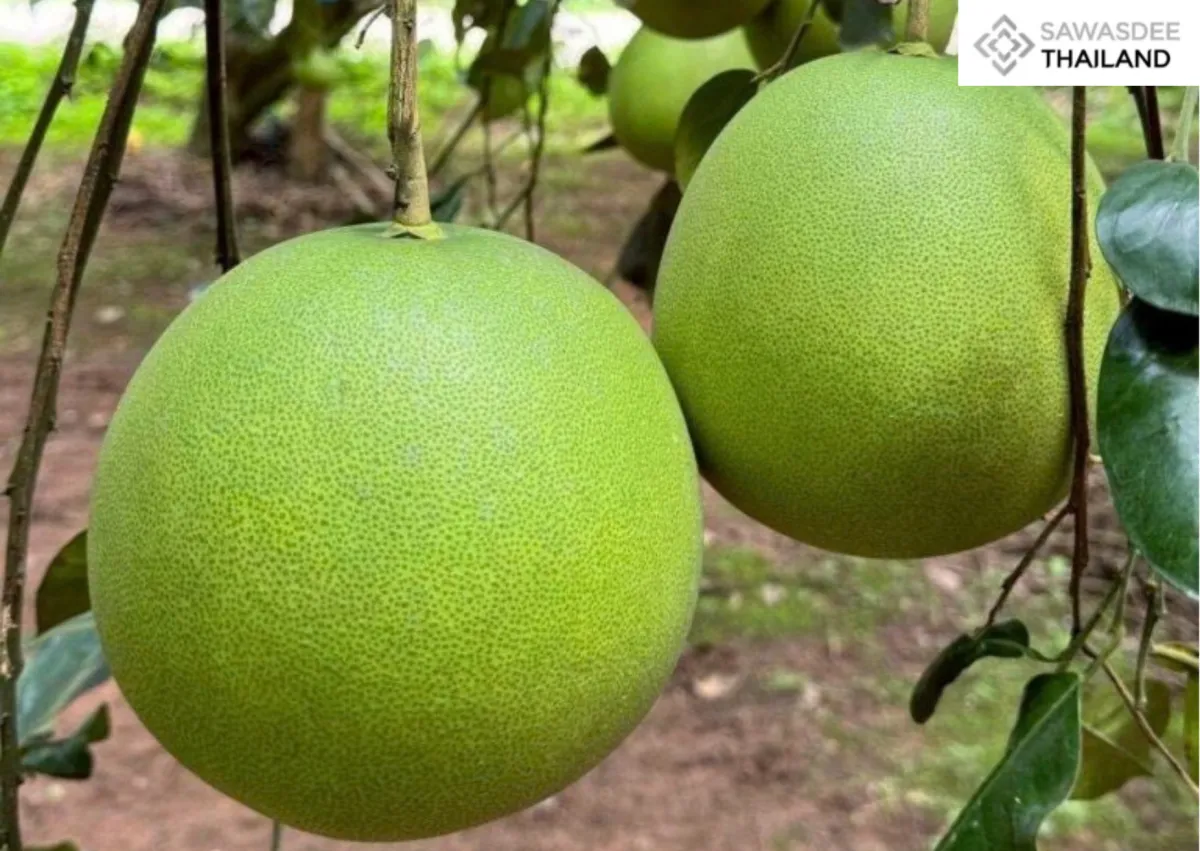
Ms. Auramon Supthaweethum, (อรมน ทรัพย์ทวีธรรม) Director-General of the Department of Intellectual Property under the Ministry of Commerce, announced on 19 January that “Wiang Kaen pomelo,” (เวียงแก่น) a signature fruit of the Ngao (หงาว) River basin, has been officially registered as Chiang Rai’s (เชียงราย) ninth Geographical Indication (GI) product.
The registration follows eight earlier GI products from Chiang Rai (เชียงราย): Doi Tung (ดอยตุง) coffee, Doi Chang (ดอยช้าง) coffee, Nang Lae (นางแล) pineapple, Phu Lae (ภูแร) Chiang Rai pineapple, Chiang Rai tea, Chiang Rai Khao Niao Khew Ngu (เชียงรายข้าวเหนียวเขี้ยวงู) sticky rice, Khao Kam Lanna (ข้าวคำล้านนา) (jointly registered with seven other northern provinces), and Wiang Ka Long (เวียงกาหลง) ceramics. These GI products generate more than 300 million baht annually for the province.
With the addition of Wiang Kaen pomelo, Chiang Rai (เชียงราย) now has the second-highest number of GI products in Thailand, after Nakhon Ratchasima, which has 11. This achievement reflects the province’s rich natural resources, strong local wisdom, and the capacity of communities to drive sustainable economic development.
Wiang Kaen pomelo is cultivated in Wiang Kaen District across four tambons (ตำบล): Muang Yai (เมืองใหญ่), Lai Ngao (หล่ายงาว), Por (พอ), and Tha Kham (ท่าข้าม). The area is a basin surrounded by mountains, with the Ngao River flowing through all tambons. Its fertile alluvial soil, high organic content, good drainage, suitable pH, and favourable climate produce pomelos of outstanding flavour, texture, and juiciness, recognised both domestically and internationally.
The GI registration covers three varieties: Khao Yai (ขาวใหญ่), Thong Dee, (ทองดี) and Seller (เซลเลอร์) —each distinguished by unique shape, colour, texture, and a balanced sweet-and-sour taste with sweetness of not less than 9 degrees Brix.