Thailand's New Government Sets Out Economic Ambition
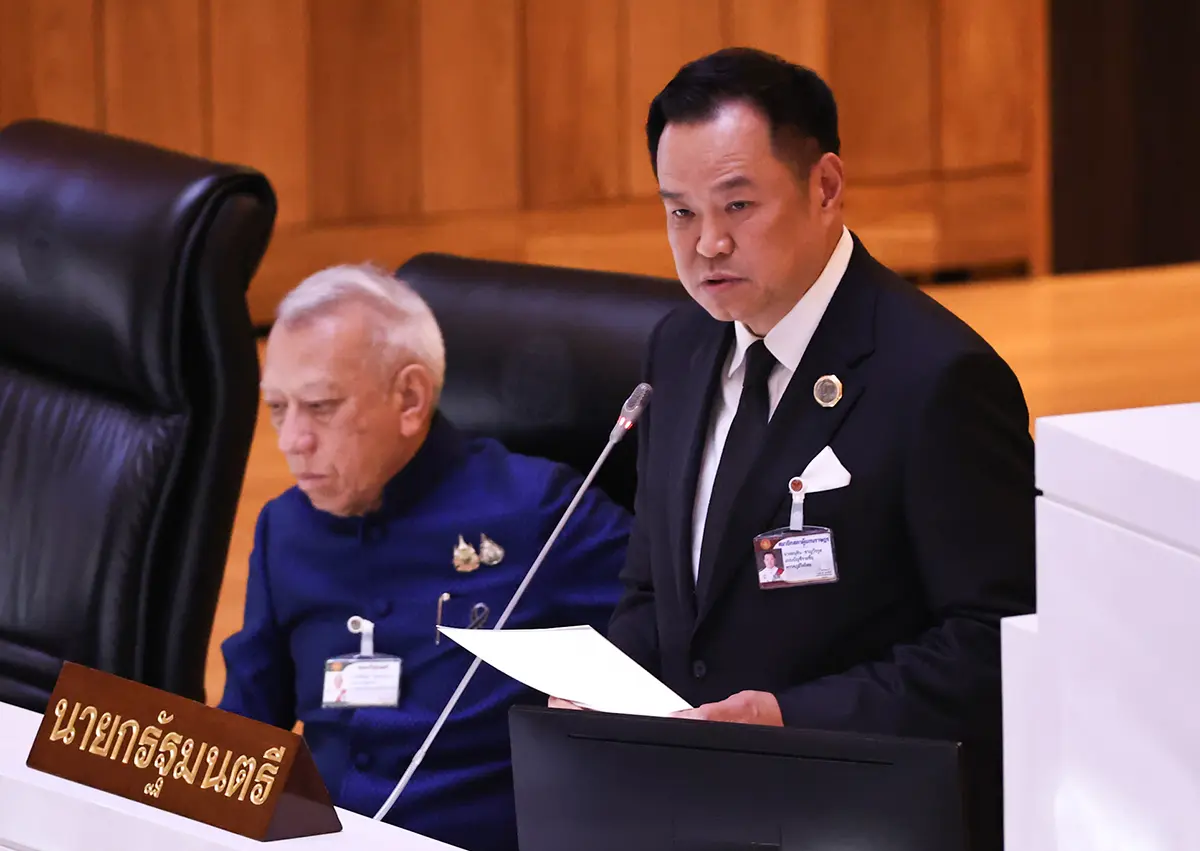
PM Anutin Charnvirakul unveils a broad economic roadmap targeting structural reform, investment attraction, and agricultural modernisation to lift Thailand's growth potential.
Presenting his cabinet's policy statement to parliament during 9-10 April 2026, Prime Minister Anutin Charnvirakul acknowledged that Thailand is navigating a period of considerable global uncertainty.
Disruptions to oil and gas supplies stemming from conflicts in the Middle East have created energy price volatility, straining supply chains and pushing up costs for both businesses and households.
Against this backdrop, PM Anutin outlined what he described as an agenda of urgent stabilisation paired with longer-term structural transformation.

Addressing immediate pressures
Before detailing new priorities, Anutin pointed to a series of Quick Big Win measures already under way since the government took office, including stimulus through the Khon La Khrueng Plus (Let’s Go Halves Plus or Half-Half Plus) scheme, import tariff reforms to support domestic producers, an anti-scammer crackdown, steps to resolve the Thai-Cambodia border dispute, efforts to attract foreign direct investment, trade negotiations to open new markets, and initiatives to add value to agricultural goods. The government also announced Thailand’s commitment to achieving net-zero greenhouse gas emissions by 2050.
The government, he said, has already begun reversing a period of sluggish growth.
In the near term, the administration intends to fast-track a budget transfer bill for fiscal year 2026 and accelerate spending efficiency, whilst preparing the 2027 budget to take effect on schedule.
Relief measures targeting vulnerable households affected by rising energy costs are also planned, alongside consultations with business associations on import and export strategies disrupted by global supply chain instability.
A four-pillar economic framework
The government's medium-to-long-term economic agenda rests on four broad areas.
Inclusive growth and household debt relief. The administration has placed household debt at the centre of its economic strategy. It plans a comprehensive, debtor-focused debt resolution mechanism spanning banks, asset management companies, and cooperatives, designed to help individuals re-enter the credit system. Parallel measures aim to reduce daily living costs — including clean water and energy — and expand digital and financial literacy, with incentives for businesses to upskill their workforces.
Structural economic reform and new industries. Thailand's government wants to move the country beyond its middle-income trap by building new economic engines alongside existing industries. The target sectors include digital technology and artificial intelligence, robotics, semiconductors, high-value processed food, clean energy, biotechnology, electric and modern vehicles, and healthcare. To support this, the government plans to reform investment promotion, encourage joint ventures between foreign and Thai firms, transform universities into innovation hubs, and develop deep-tech infrastructure. It also intends to expand private-sector participation in infrastructure financing and modernise capital markets to attract larger strategic investments.
Trade and export expansion. Under the banner of "connecting Thailand to the global economy", the government aims to diversify export markets, reduce over-reliance on any single trading partner, and promote Thai products through government-to-government trade negotiations. Stronger protections against intellectual property violations and an overhaul of rules of origin checks are also flagged. The administration intends to grow trade in services — particularly education, health, digital, and creative economy sectors — and push Thai SMEs into global supply chains.
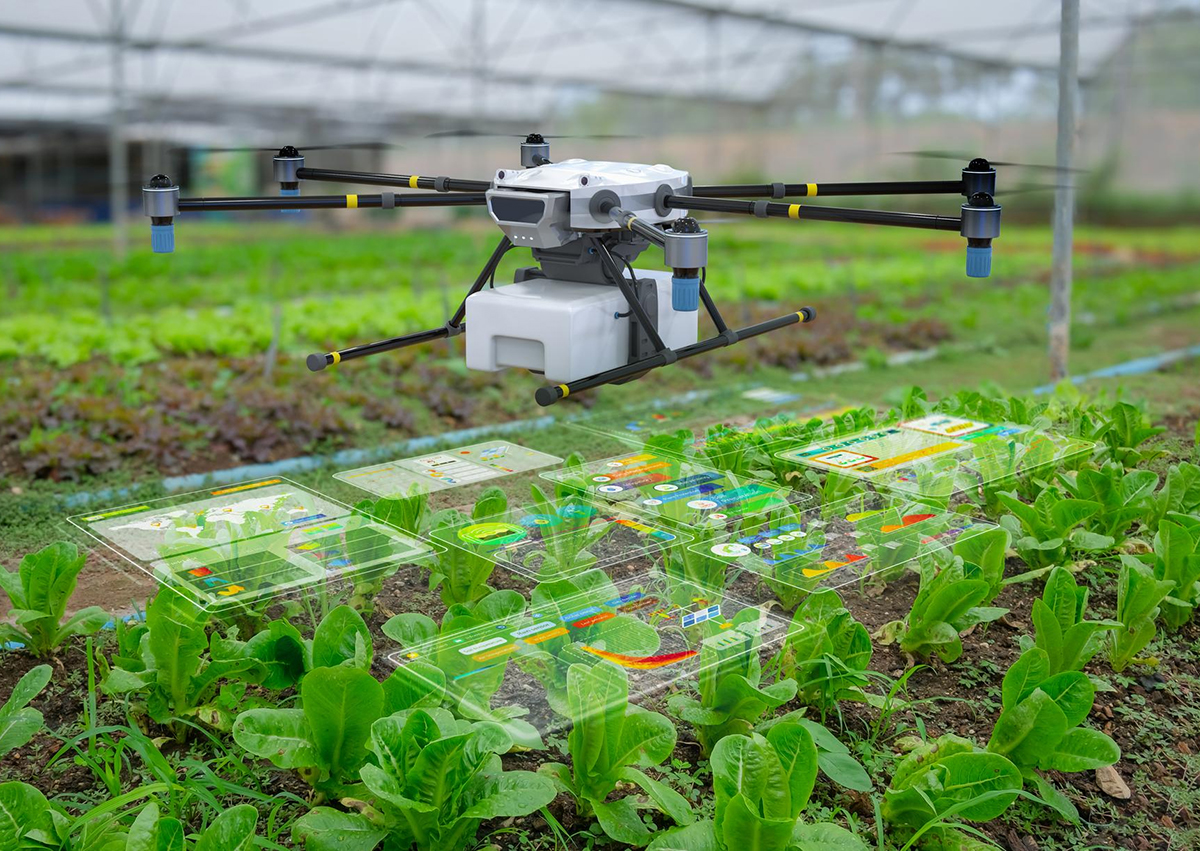
Agricultural modernisation. The government proposes a shift from traditional farming to what it calls "precision agriculture, prosperous agriculture, sustainable agriculture." Plans include deploying AI and biotechnology to raise productivity and cut costs, building big-data systems for crop planning, and developing traceability systems for agricultural goods. Upgrading cooperatives into modern business organisations and reforming contract farming arrangements are also part of the agenda, alongside a goal to position Thailand as a global food security hub.
Tourism as an economic lever
The government also outlined ambitions for tourism, targeting a shift from volume to high-value visitors. Plans include repositioning tourism under the Ministry of Culture, promoting wellness and cultural tourism, attracting long-stay visitors and digital nomads, and mandating insurance coverage linked to the public health system for tourists. Working in tandem with the Ministry of Culture, the government also intends to elevate the profile of Thai culture internationally and unlock greater value from the country’s rich and diverse cultural heritage.
The broader challenge
PM Anutin was candid about the structural headwinds facing the country: ageing demographics, low birth rates, household debt, productivity constraints, and geopolitical pressures including trade protectionism and import tariffs from major economies.
The government, he said, would restructure the public administration into strategic clusters to ensure ministries work towards shared targets, with citizen wellbeing as the overriding measure of success.
For foreign investors and businesses watching Thailand, the statement signals an administration that is betting on technology-driven industrial upgrading, SME development, and trade diversification as its primary engines — whilst seeking to reassure markets that fiscal discipline will be maintained throughout.