From Thai Silk to the Future of Medicine — Chulalongkorn Engineers Turn Local Resource into Global Medical Innovation
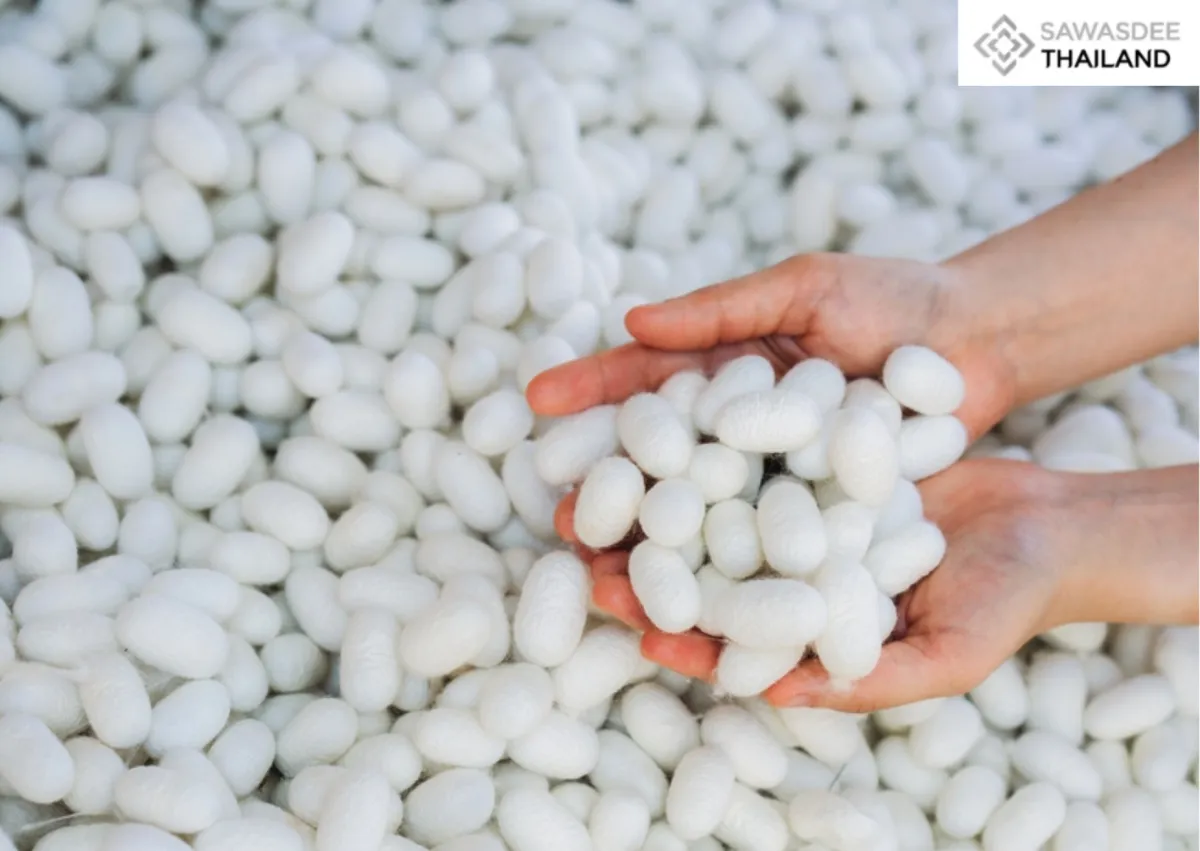
Researchers from the Faculty of Engineering at Chulalongkorn University have transformed Thai silk into a world-class medical biomaterials platform, developing “Thai silk protein” for a wide range of medical applications. The innovation spans pain-relief patches, sleep-aid patches, dental materials, artificial tissues, and injectable joint gels, marking a major step in reducing reliance on imported medical materials and strengthening
Thailand’s medical industry.
The research is conducted under the Silklife project, which utilises fibroin as the primary protein component of Thai silk to develop medical-grade biomaterials. Thai silk is recognised for its natural strength, high biocompatibility, and water-repellent molecular structure, enabling efficient drug delivery and targeted medical applications. These characteristics clearly differentiate Thai silk from synthetic polymers and commonly imported biomaterials.
A key strength of the innovation lies in its “platform technology” approach, allowing the silk protein to be tailored for diverse medical uses. Applications range from external products such as hydrogel patches with controlled release of active ingredients, including porous scaffolds for gum tissue repair after tooth extraction and injectable gels for early-stage osteoarthritis, which are currently undergoing clinical testing.
Beyond the laboratory, the Silklife project elevates standards across the entire production chain from organic silkworm farming and controlled closed-system facilities to protein extraction in pilot plants meeting international medical standards. This end-to-end approach enables Thailand to control quality at source and scale up production domestically.
The Silklife project highlights Thailand’s growing strength in translating research into real-world innovation, positioning Thai silk not only as a cultural heritage product but as a future-ready medical material. Itunderscores Thailand’s capability to build self-reliant, high-value medical technologies with international competitiveness.