MHESR Maps Future Workforce Needs, Drives CWIE to Link Higher Education with Labor Market
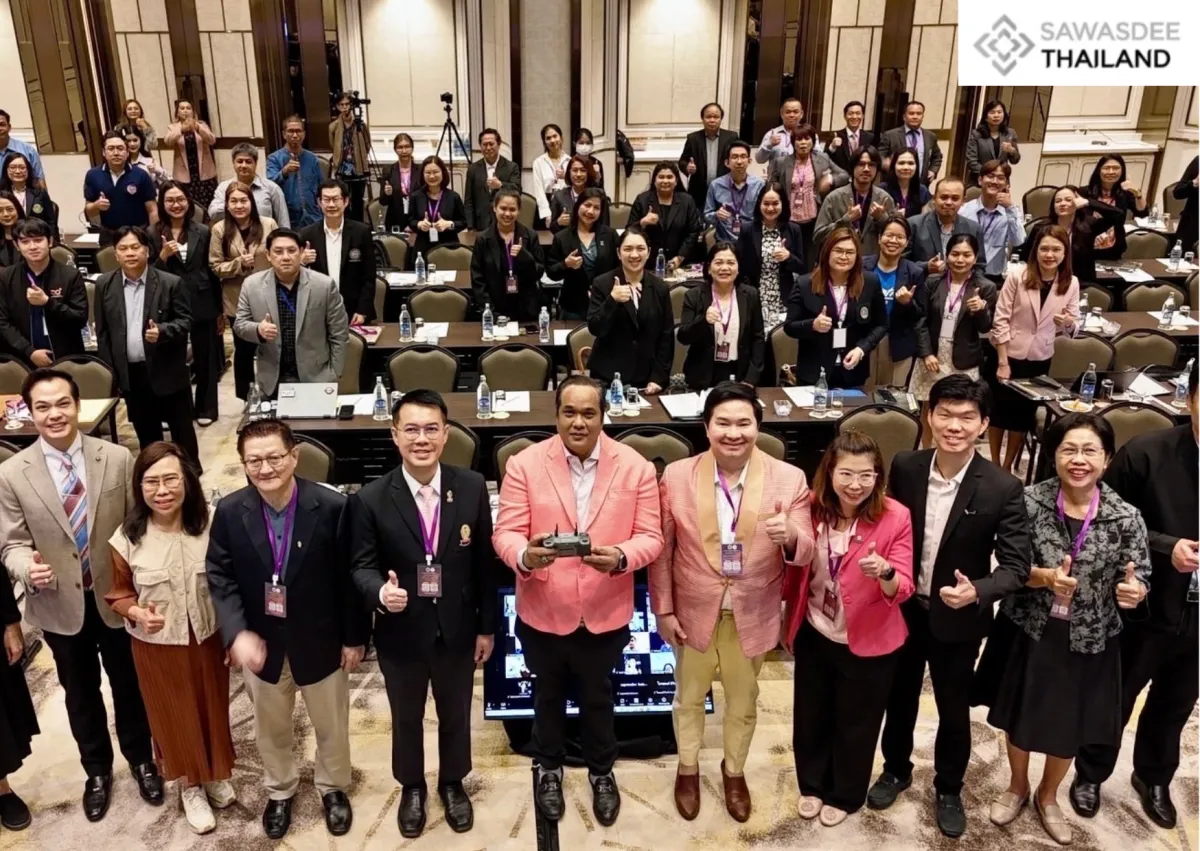
Thailand’s Ministry of Higher Education, Science, Research and Innovation (MHESR) has outlined a strategic direction for developing the country’s workforce to meet future global challenges, emphasizing the CWIE (Cooperative and Work-Integrated Education) model as a key mechanism to sustainably connect higher education with the labor market.
The government’s role includes forecasting and clearly communicating national workforce needs, supporting co-funding mechanisms for pilot and scalable initiatives, offering incentives such as tax benefits, developing platforms that link labor demand and supply, and improving laws and regulations to facilitate collaboration between universities and enterprises.
Higher education institutions are encouraged to modernize curricula in line with industry needs, adopt innovative teaching methods and digital technologies, and adjust internal management systems to better collaborate with the private sector and academic networks. At the same time, enterprises are expected to provide workforce demand data, co-design education programs, offer real workplace learning opportunities, and support resources such as funding, tools, and technology.
These efforts align with Thailand’s Higher Education Development Plan (2023–2027), driven by three core strategies: capacity building for lifelong learning, strengthening the higher education research ecosystem, and transforming the higher education system to be efficient, transparent, and internationally recognized.
At the center of this approach, CWIE delivers competency-based, experiential learning by integrating study with real work experience, ensuring graduates are job-ready, meet industry needs, and support Thailand’s long-term, sustainable workforce development.