Thailand Advances “Kung Chada”กุ้งชฎา as a New Economic Prawn for Japan and China
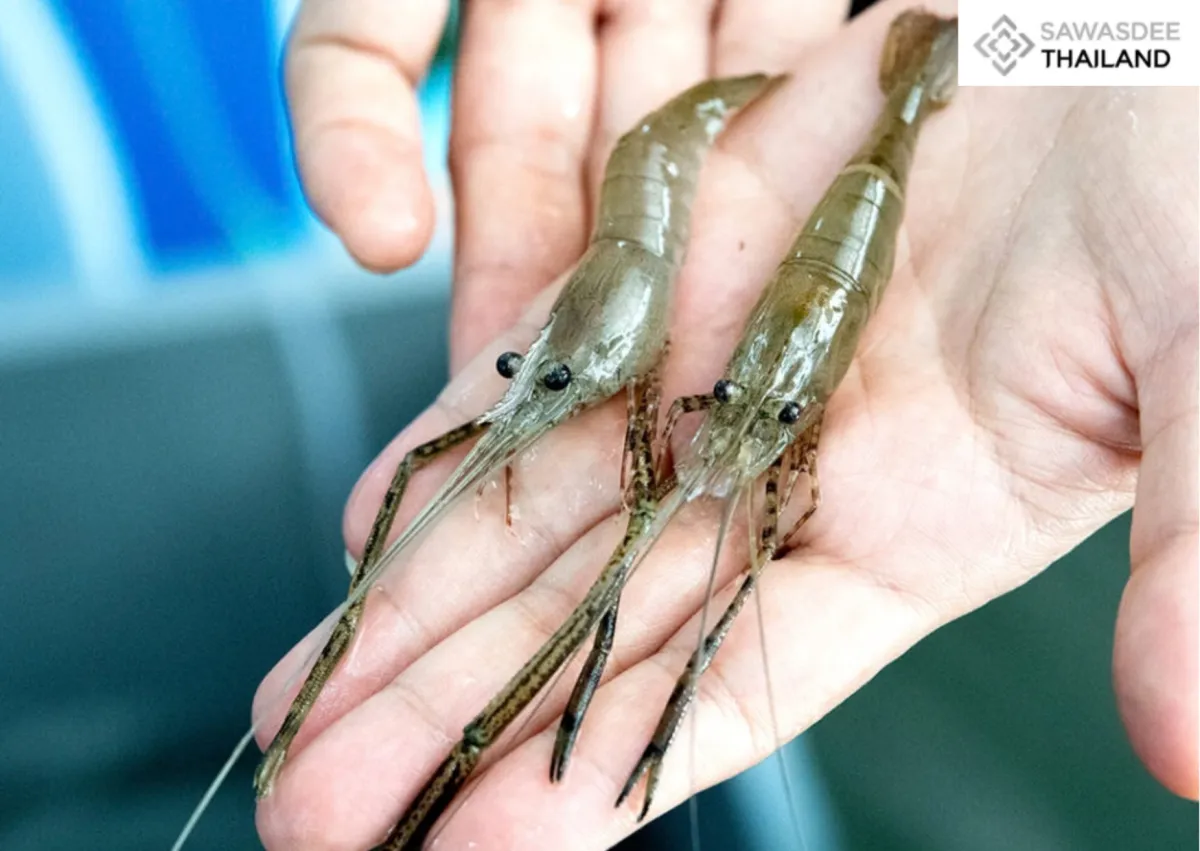
Thailand is advancing its aquaculture sector by developing “Kung Chada” as a new economic aquatic species, responding to strong demand from international markets, particularly Japan and China. This initiative highlights the role of government agencies in higher education, science, research, and innovation in translating scientific knowledge into practical applications, while opening new income opportunities for Thai farmers and reinforcing the country’s position in the global seafood industry.
Kung Chada is a small freshwater and brackish-water prawn belonging to the same family as the giant river prawn. It closely resembles the oriental river prawn, a popular ingredient in Japanese and Chinese cuisine. As production in key consumer countries struggles to meet growing demand, Thailand has identified an opportunity to develop Kung Chada as an alternative export product. Public research agencies have therefore undertaken the development of an industrial-scale breeding and cultivation process, covering broodstock selection, hatchery and nursery techniques, optimized rearing environments, and specialized feed formulas, enabling consistent production of high-quality postlarvae suitable for pond cultivation.
The development of Kung Chada offers clear advantages for Thai aquaculture. The species has a shorter cultivation cycle, can be farmed at higher density, and commands a market price comparable to that of giant river prawns. Importantly, existing farming infrastructure can be adapted with minimal modification, reducing investment barriers for farmers. Through continued research, knowledge transfer, and collaboration with the private sector, Thailand is laying the foundation for Kung Chada to become a new economic species. This effort not only enhances farmers’ income potential but also strengthens Thailand’s competitiveness and resilience in the international seafood market.