The Rise of Regeneracation: Thailand’s Blueprint for Healing the Earth Through Travel
The global travel landscape is currently undergoing a seismic paradigm shift, transcending the modest horizons of "sustainable tourism" to embrace the vanguard of Regeneracation, also known as Regenerative Tourism.
Whilst traditional sustainability aims to simply mitigate harm, Regeneracation—a sophisticated evolution of the travel ethos—fosters a culture where the visitor is an active participant in the destination’s healing. By adopting the visionary 5 REs framework—Regenerate, Restore, Reimagine, Reconnect, and Redistribute—Thailand has established itself as the global paragon of this movement. This strategic shift ensures that tourism acts as a powerful catalyst for improving biodiversity and revitalising local heritage, transforming the "Land of Smiles" into a living tapestry of ecological hope.
The Lanta Legacy: A Masterclass in Nature-Based Solutions
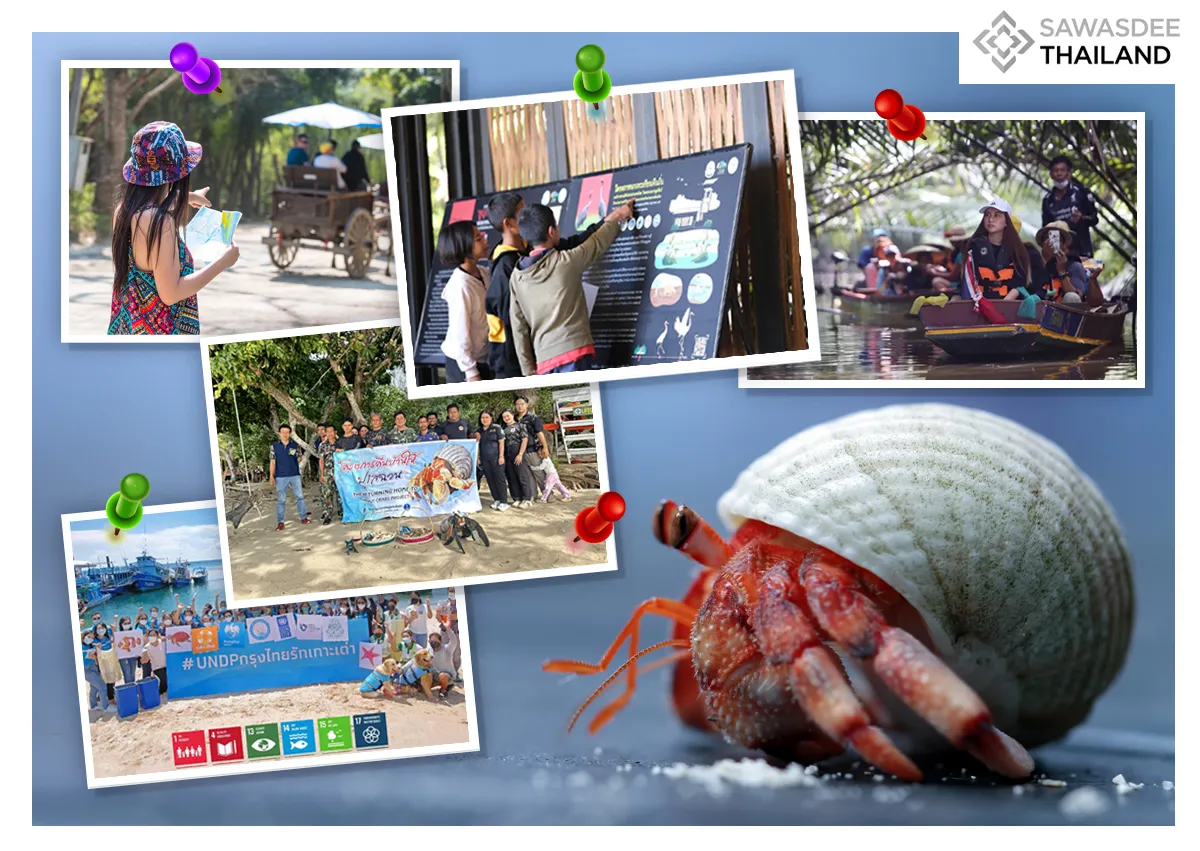
In the crystalline enclave of Krabi, Mu Ko Lanta National Park serves as a premier "Green Destination" where cultural harmony and biological diversity flourish. Recognising that coastal health is often mirrored in its smallest inhabitants, the park launched the "Return Homes, Restore Life, Regenerate Ecosystems" project. This initiative addresses a poignant ecological gap: with only 6 out of 25 coastal national parks in Thailand still reporting hermit crab sightings, these "natural helpers" had been forced to seek shelter in marine debris. Without natural shells to retain moisture, these land-based crabs face the risk of drowning—a scenario the park was determined to reverse.
Through a sophisticated application of Nature-based Solutions (NbS), a collaboration with the Thai Responsible Tourism Association (TRTA) has facilitated the donation of over 12,000 seashells—totalling some 700 kilograms. This project has successfully Regenerated the beach ecosystem, evidenced by the return of thriving, large-sized hermit crab populations. This commitment to excellence earned the park the G-Green Plus 2023 designation, whilst participating beachfront hotels have been honoured with UNESCO Sustainable Travel Badges and Green Globe Certification. Such ecological triumphs demonstrate how nature and luxury can thrive in unison.
The Koh Tao Model: Financing Paradise
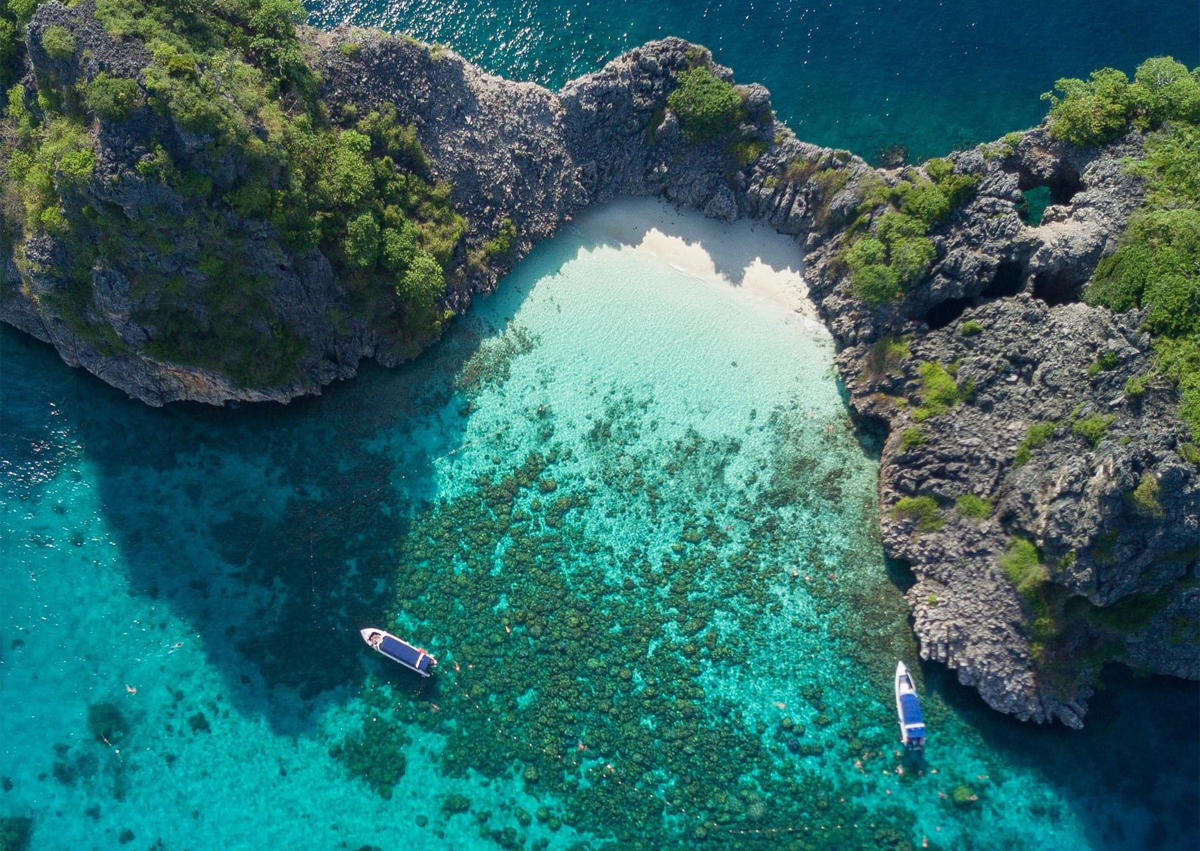
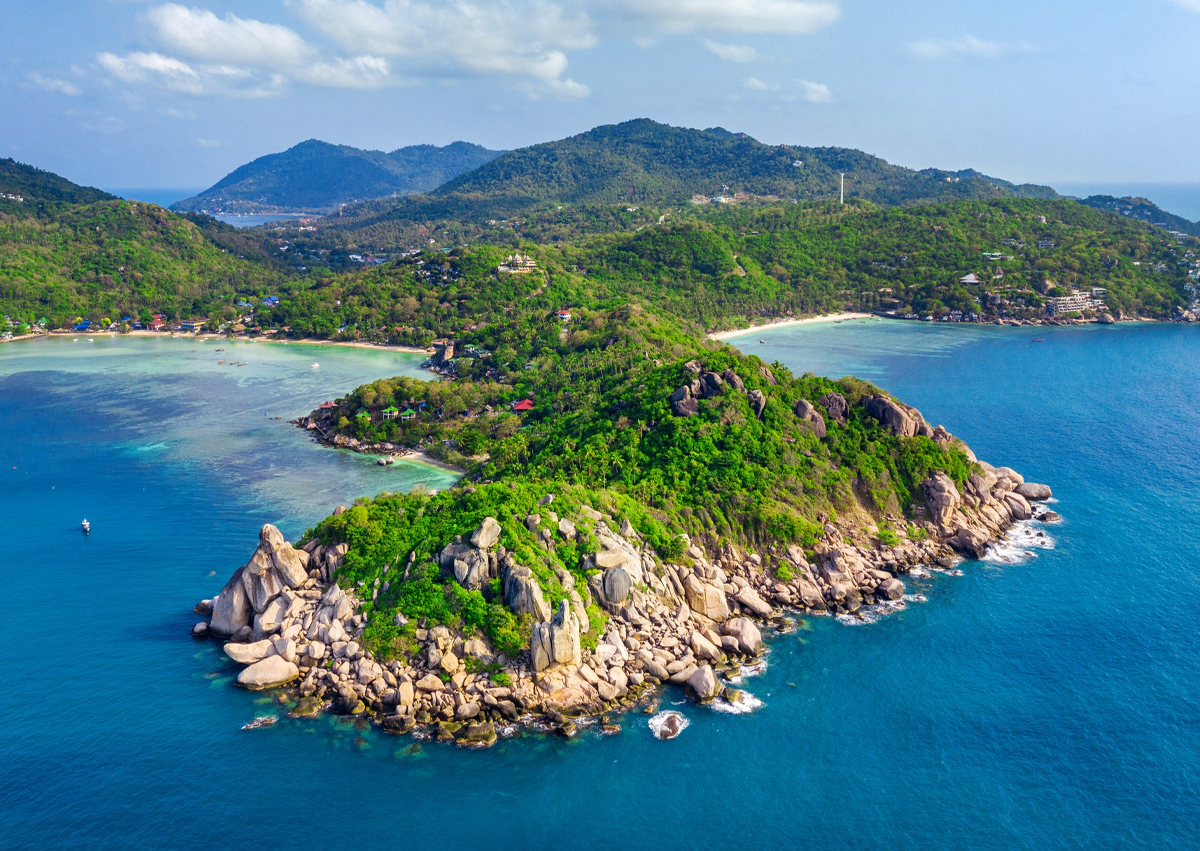
To ensure these environmental gains are enduring, Thailand has pioneered the Koh Tao Model, a masterclass in the Redistribute pillar of regenerative travel. Recognising that robust conservation requires resilient funding, the Koh Tao municipality—supported by UNDP’s Biodiversity Finance Initiative (BIOFIN)—introduced a modest 20-baht visitor contribution. This small gesture from each traveller has accumulated over $450,000 since its inception in April 2022, achieving a remarkable 55% ROI by funding sophisticated coral reef restoration and waste management systems.
The success of this financial blueprint is now being replicated across the island municipalities of Yao Noi and Klong Prasong. This national framework for biodiversity finance is not merely protecting landscapes; it is securing the future of charismatic species such as the Oriental Pied Hornbill, sea turtles, and the elusive dugong. By redistributing tourism revenue directly into the environment, Thailand ensures that the very beauty that draws the world remains pristine for generations.
Rare Returns: From Northern Fields to Northeastern Wetlands
The spirit of Restore and Reconnect is equally vibrant across the Thai mainland. In the northeastern province of Buri Ram, the Wetland and Sarus Crane Learning Centre has become a beacon of community-led ecotourism. This complete ecotourism spot has overseen the triumphant return of over one hundred non-migratory Sarus Cranes to their natural habitat, allowing this once-threatened species to propagate and thrive. Travellers here do more than observe; they support a delicate avian renaissance that has revitalised the local wetlands.
In the verdant highlands of Chiang Mai, the movement focuses on Reconnecting the modern traveller with the soul of the land. Through immersive experiences in traditional rice farming, visitors support the agricultural heritage of local communities. These initiatives ensure that the cultural and environmental fabric of the north remains resilient, offering a profound sense of purpose to the luxury traveller who seeks a deeper connection with their destination.
The Meaningful Travel Map: The Visitor as a Steward
Empowering the contemporary traveller to act as a steward is central to Thailand’s vision. In a landmark partnership, the Tourism Authority of Thailand (TAT) and Tourism Cares developed the "Meaningful Travel Map of Thailand." This digital compass directs visitors toward over 45 vetted, high-impact experiences, such as the Bang Korbua Community and Patom Organic Living, where regenerative practices are the standard, not the exception.
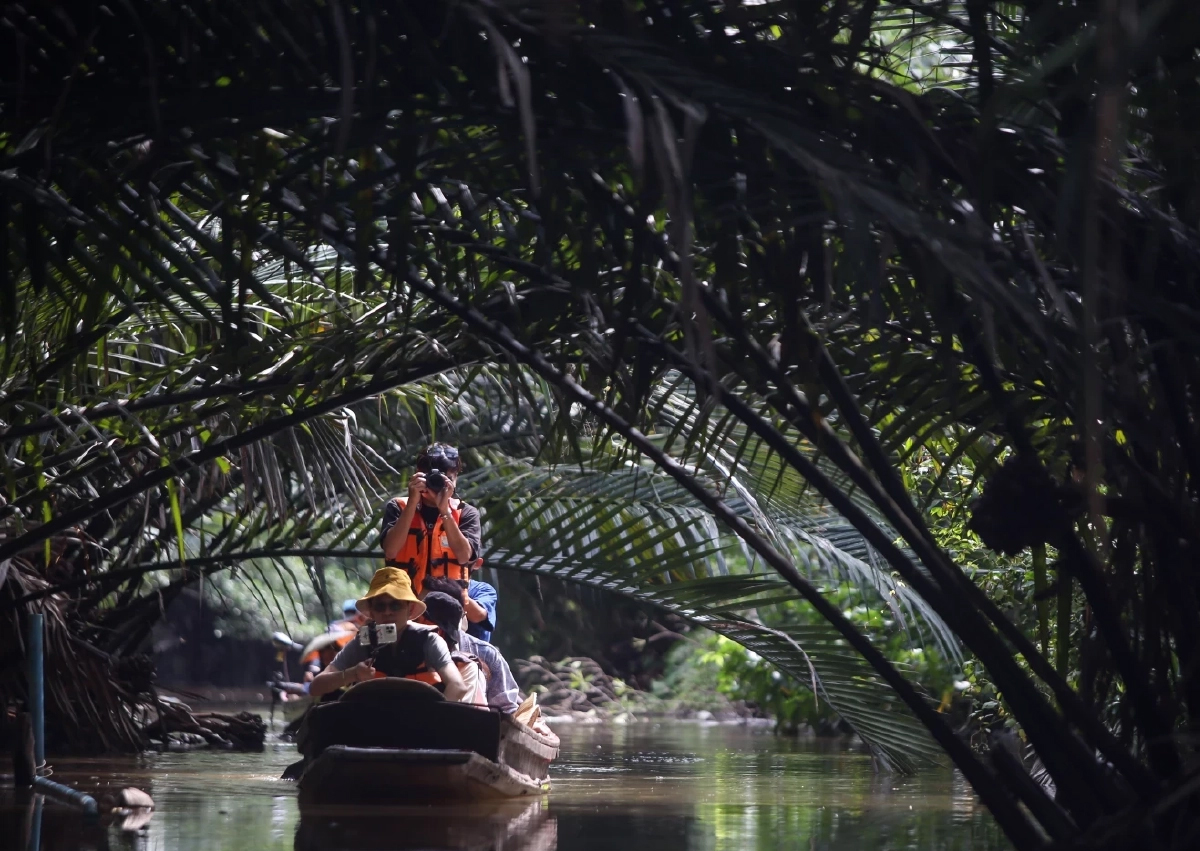
Complementing this is the "7 Greens" initiative, an educational pillar that encourages low-impact exploration through homestays and farm-to-table culinary experiences. These programmes transform the holidaymaker into an informed guardian, ensuring that every journey contributes to the nation’s flourishing. By prioritising community-driven tours, Thailand provides a roadmap for how travel can actively nourish the world.
Thailand’s Resilient Future
The transition toward Regeneracation is yielding an extraordinary harvest of both ecological and economic success. National Park revenues have flourished, surpassing 23 million baht, proving that environmental restoration and economic prosperity are inextricably linked. By integrating Nature-based Solutions with sophisticated tourism strategies, Thailand has set the global gold standard for travel that heals. We invite the world to participate in this journey—to visit not merely as a guest, but as a vital part of Thailand’s enduring narrative of restoration and hope.